
Debunking Breast Cancer Screening Myths: What You Need to Know
- Posted On:
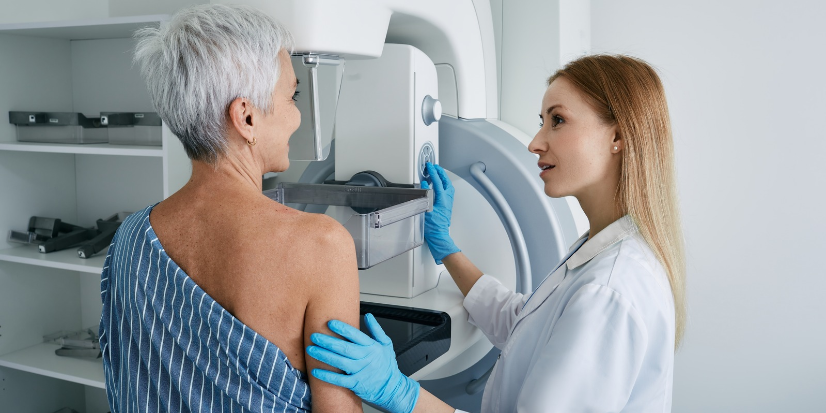
Don't let common myths get in the way of your health and peace of mind. Early detection is your best protection, and breast cancer is highly treatable when caught early!
Here is a breakdown of 8 common breast cancer screening myths, alongside the essential facts you need to know.
Myth vs. Fact: 8 Common Breast Cancer Screening Misconceptions
1. Myth: Breast compression is harmful or extremely painful.
Fact: Compression spreads breast tissue to ensure clear images and reduces the required radiation dose. While it may be uncomfortable for a few seconds, today's modern equipment is designed to minimize pain.
Pro-tip: Scheduling your mammogram after your period or taking an over-the-counter pain reliever like ibuprofen before your appointment can help minimize discomfort.
2. Myth: I don't have a family history, so I don't need a mammogram.
Fact: Approximately 80% to 95% of women diagnosed with breast cancer have no family history of the disease.
Why early detection matters: When detected at an early stage, breast cancer has a 5-year survival rate of 99%.
3. Myth: I don't have any symptoms, so I don't need a mammogram.
Fact: Breast cancer frequently develops without any noticeable symptoms. Waiting for symptoms to appear can mean detecting the cancer at a more advanced stage. Annual screenings are vital because they find small cancers long before you or your doctor can feel them.
4. Myth: Breast self-exams are enough on their own.
Fact: While breast self-awareness and monthly self-exams are important, mammograms can detect tumors and changes far earlier than a manual self-exam can.
5. Myth: My mammogram was normal last year, so I'm safe this year.
Fact: A normal result last year is wonderful news, but it doesn't guarantee future exams will remain clear. Breast tissue can change at any time, which is why annual mammograms are essential for catching changes early, when they are most treatable.
6. Myth: You must have a doctor's order to schedule a mammogram.
Fact: You do not need a provider's order to schedule a routine screening mammogram! You can call directly or book through your patient portal.
7. Myth: Mammogram radiation doses are dangerous.
Fact: Modern digital mammography uses extremely low levels of radiation—roughly equivalent to what you are exposed to naturally from background radiation over a few weeks. The life-saving benefits of early detection far outweigh the minimal risk.
8. Myth: Mammograms don't need to start until age 50.
Fact: For average-risk women, annual screening mammography should begin at age 40. Women who are at a higher risk due to genetics or personal history may benefit from starting screenings even earlier.
Take Control of Your Health Today
Don't wait to prioritize your health. If you are due for your annual screening mammogram, take action today:
Call Myrtue Medical Center:
712-755-4516Book Online: Access your schedule through MyChart

